What Should Parents Look for During a Campus Tour?
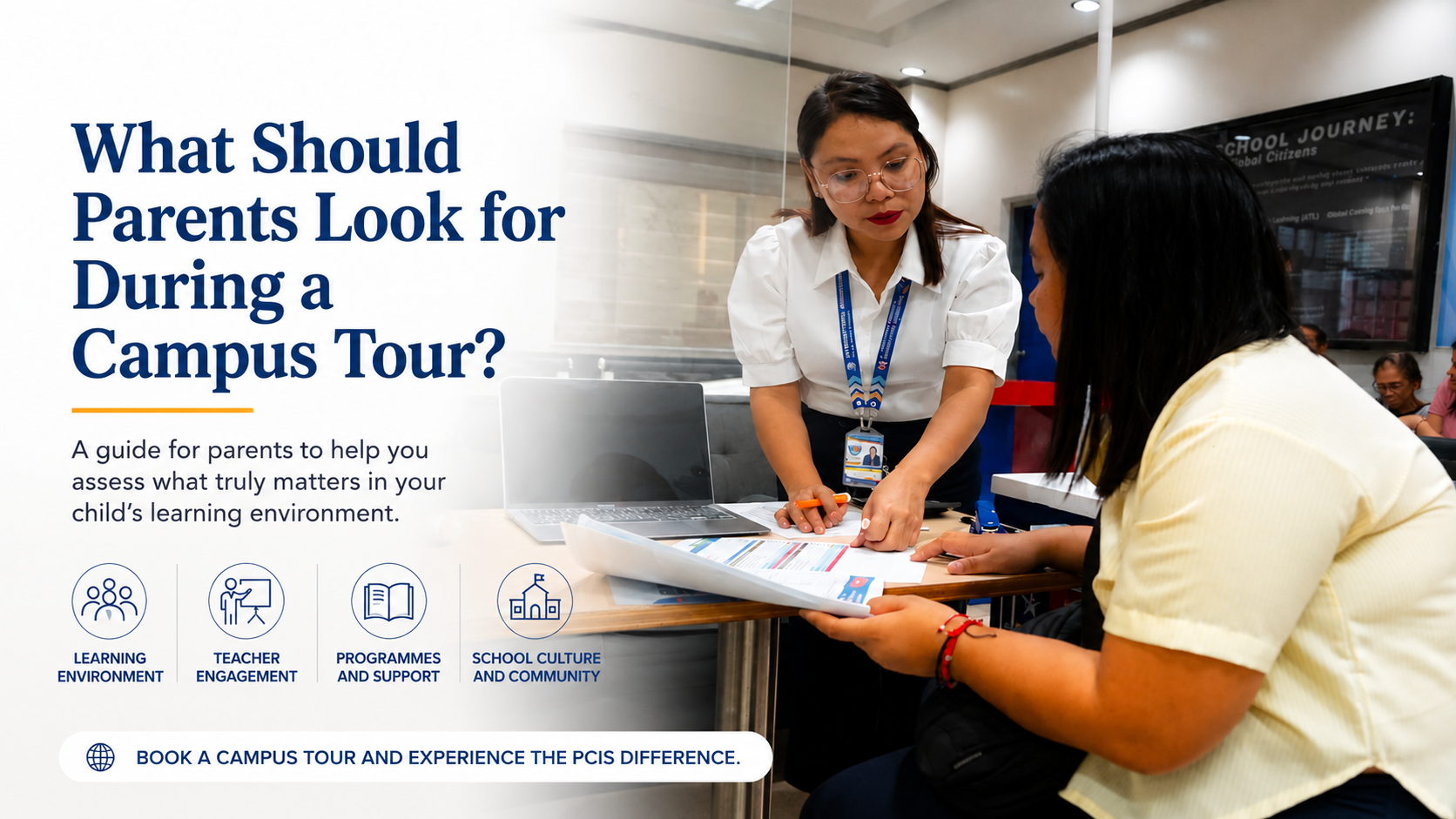
Every parent wants to choose the right school. But during a campus tour, how do you know what truly matters and what to ignore?
Choosing a school is not just about facilities or curriculum. It is about finding an environment where your child will feel confident, supported, and inspired to grow.
A website can show achievements. A brochure can highlight programmes. But a campus tour reveals something deeper—the everyday experience your child will have.
Because the right environment can shape who your child becomes. And the wrong one can quietly limit their confidence, curiosity, and potential.
What Most Parents Get Wrong During a Campus Tour
Many parents focus on:
- Modern buildings and technology
- Clean classrooms and facilities
- Structured presentations
While these matter, they do not tell the full story.
The most important signs are often subtle:
- How students speak and participate
- How teachers guide and respond
- How learning actually happens in real time
A campus tour is not about what the school shows you. It is about what you observe.
What You Need to Know at a Glance
- A campus tour reveals the real learning environment
- Student behavior reflects school culture
- Teacher-student interaction shapes learning experience
- Facilities support learning, but do not define it
- The goal is to imagine your child learning there
Why a Campus Tour Matters
Children spend thousands of hours in school. The environment they experience daily influences not only what they learn, but how they think, communicate, and respond to challenges.
A strong learning environment builds confidence. A weak one can slowly silence it.
A campus tour gives you the opportunity to see beyond marketing and understand how learning truly happens.
1. Observe the Learning Environment
Look beyond appearance.
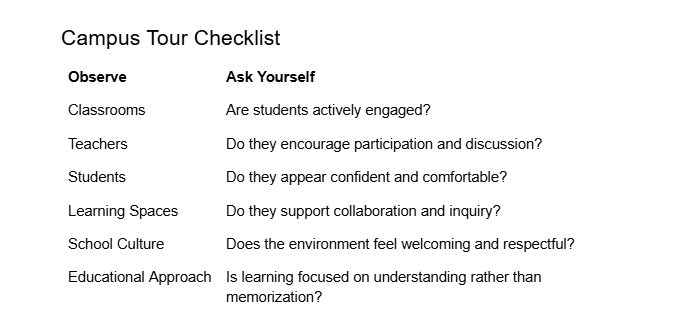
Ask yourself:
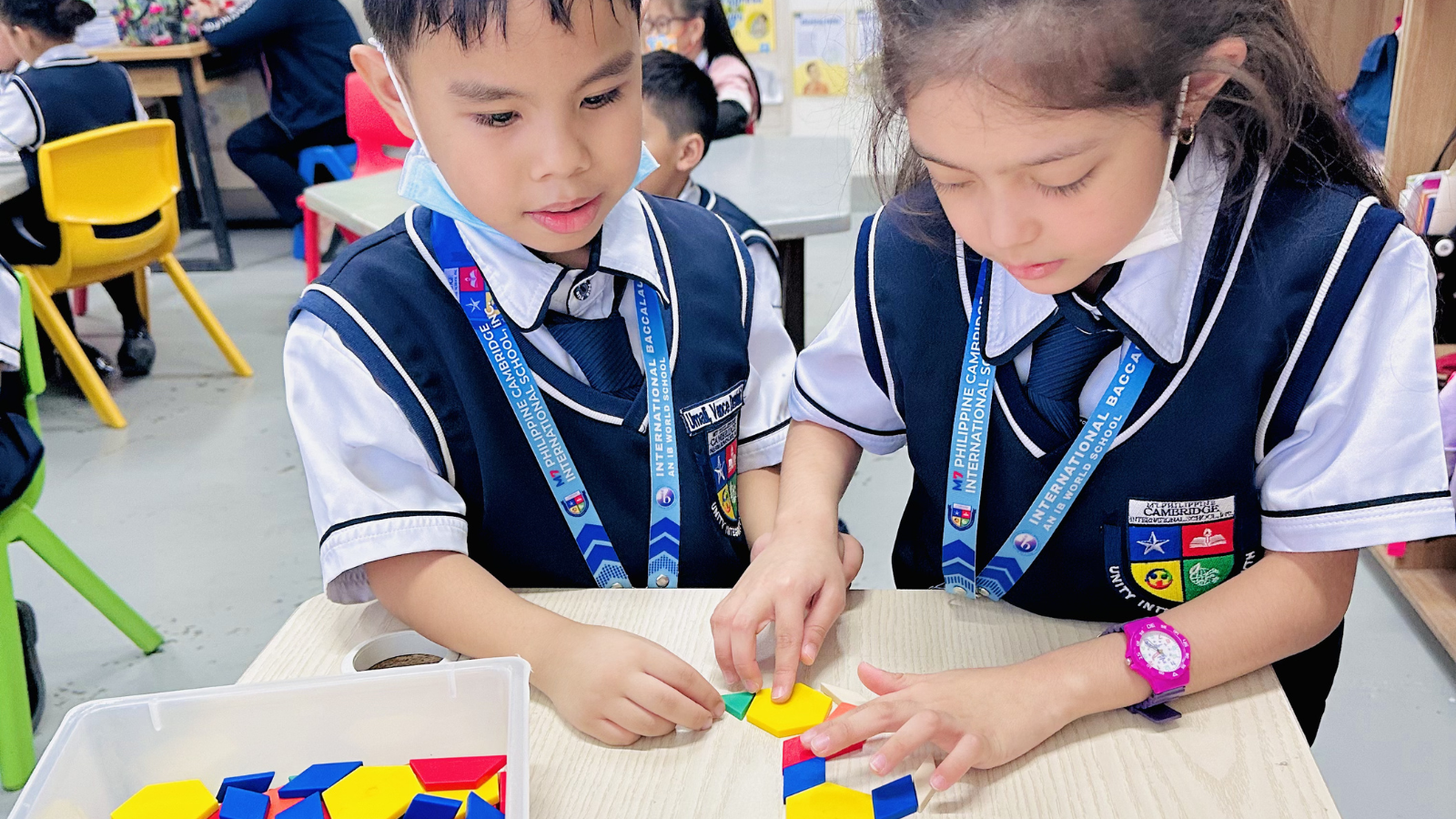
- Are students actively participating?
- Are they asking questions?
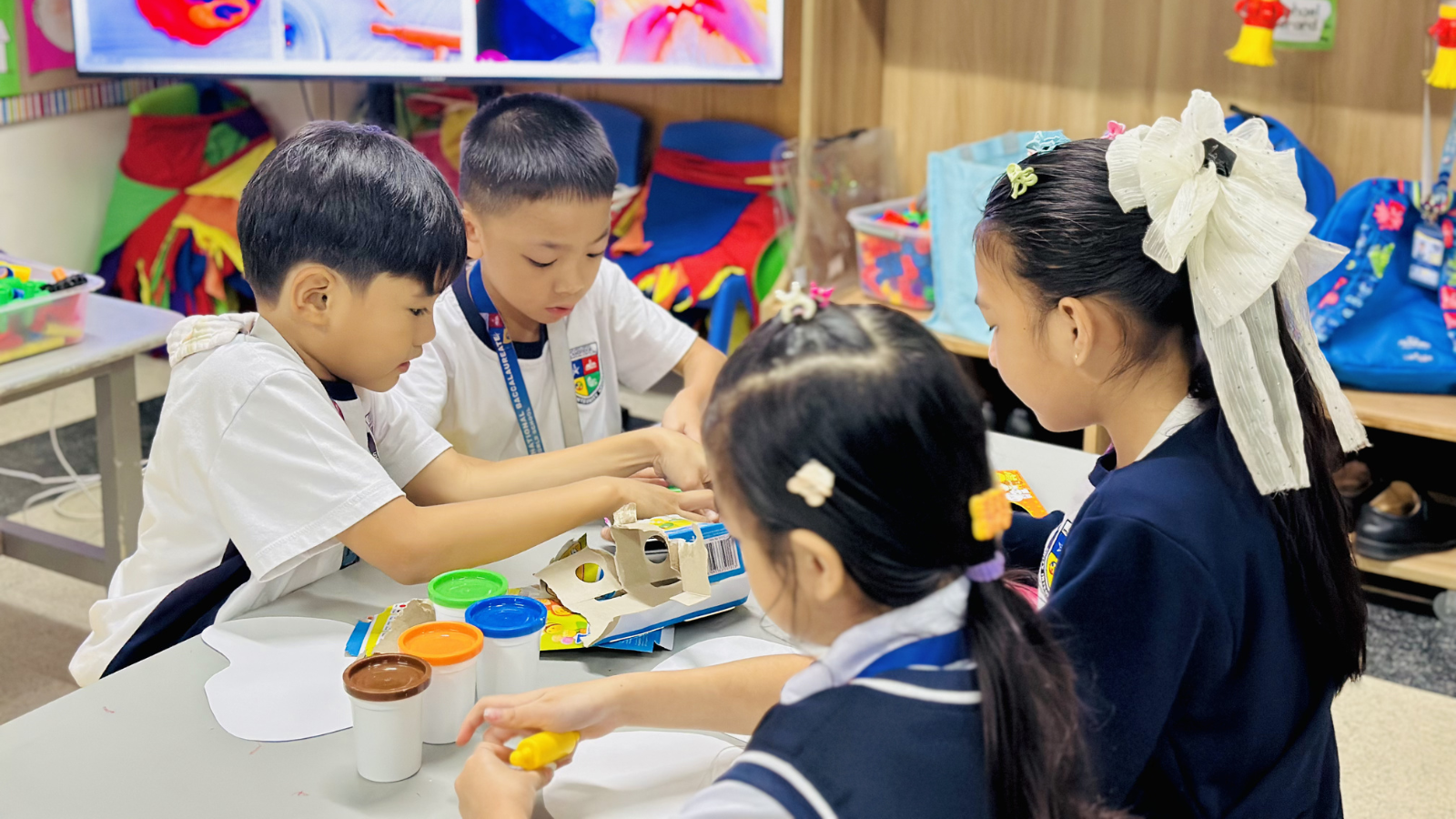
- Are they collaborating with others?
A meaningful classroom is not quiet because students are passive. It is dynamic because they are engaged.
2. Notice How Teachers Interact With Students
The way teachers respond to students shapes the entire learning experience.
Observe:
- Do teachers encourage discussion?
- Do they guide rather than lecture?
- Do students feel comfortable speaking?
Children learn best when they feel safe to express ideas and ask questions.
3. Pay Attention to Student Engagement
Students reflect the true culture of a school.
Look for:
- Confidence in participation
- Willingness to share ideas
- Respectful collaboration
Engaged students are often a sign of an environment that nurtures curiosity and growth.
4. Look Beyond Facilities
Modern spaces are valuable but they are not everything.
Instead, ask:
- Do these spaces encourage collaboration?
- Do they support exploration and creativity?
A well-designed environment is not just impressive—it is purposeful.
5. Understand the School’s Educational Approach
Every school follows a philosophy.
Ask questions like:
- How do students develop critical thinking?
- How is collaboration encouraged?
- How is learning applied to real-world situations?
Understanding this helps you see the long-term learning journey, not just daily activities.
6. Observe the School Community
Learning extends beyond the classroom.
Notice:
- How students interact with each other
- How teachers and staff engage with learners
- The overall tone of the environment
Respect, kindness, and openness are often visible in everyday moments.
7. Ask Yourself One Important Question
Can I imagine my child learning here?
This is often the most powerful filter.
Because the right school is not defined by a single feature.
It is defined by how well it fits your child.
What Parents Often Notice
Parents often share similar observations after a meaningful campus tour:
- Students who speak confidently
- Teachers who guide meaningful discussions
- A welcoming and respectful environment
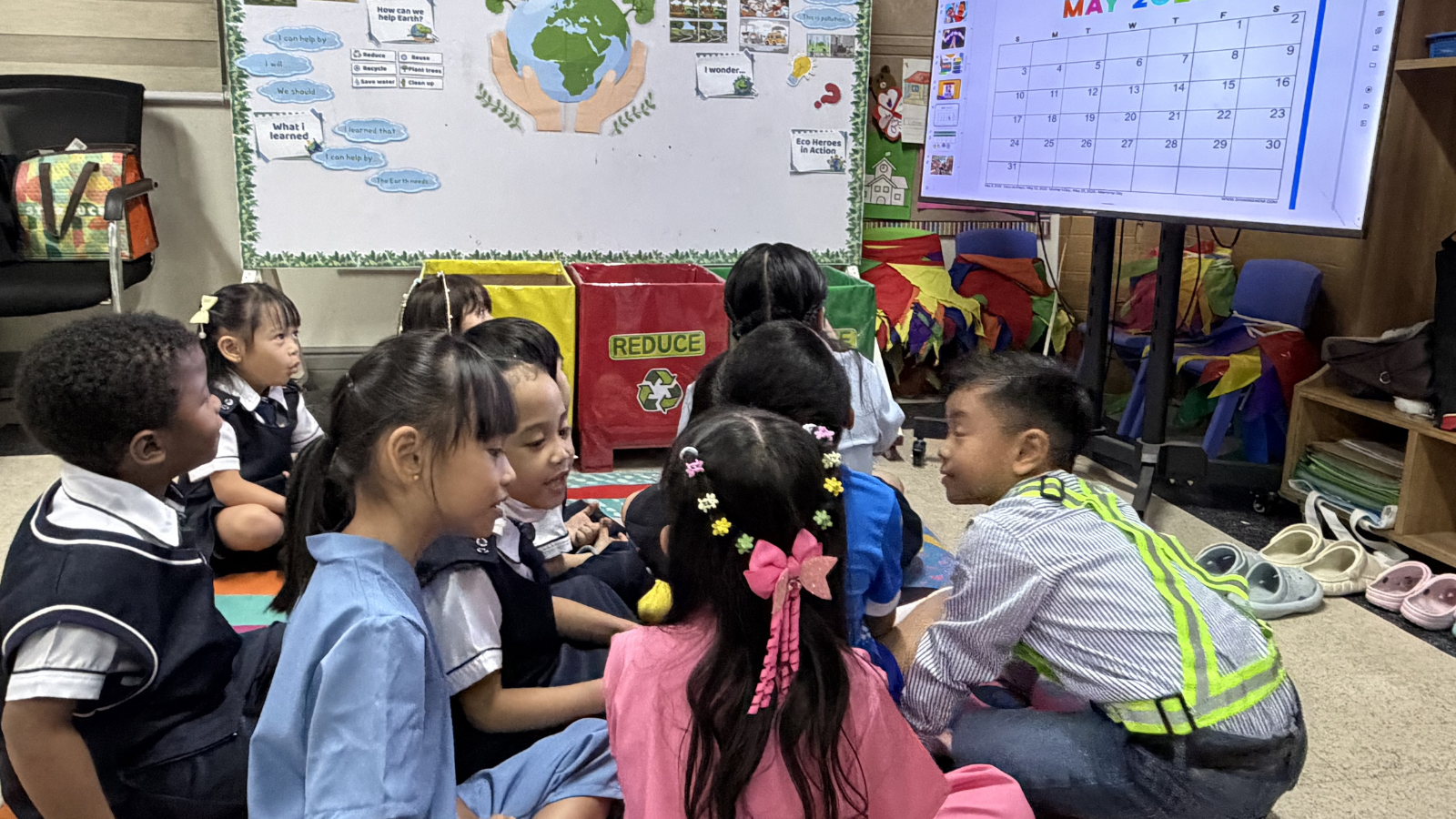
- Active, engaging classrooms
- A culture that encourages curiosity
These details often matter more than facilities alone.
How It Looks in a Real Learning Environment
In a strong, inquiry-based classroom:
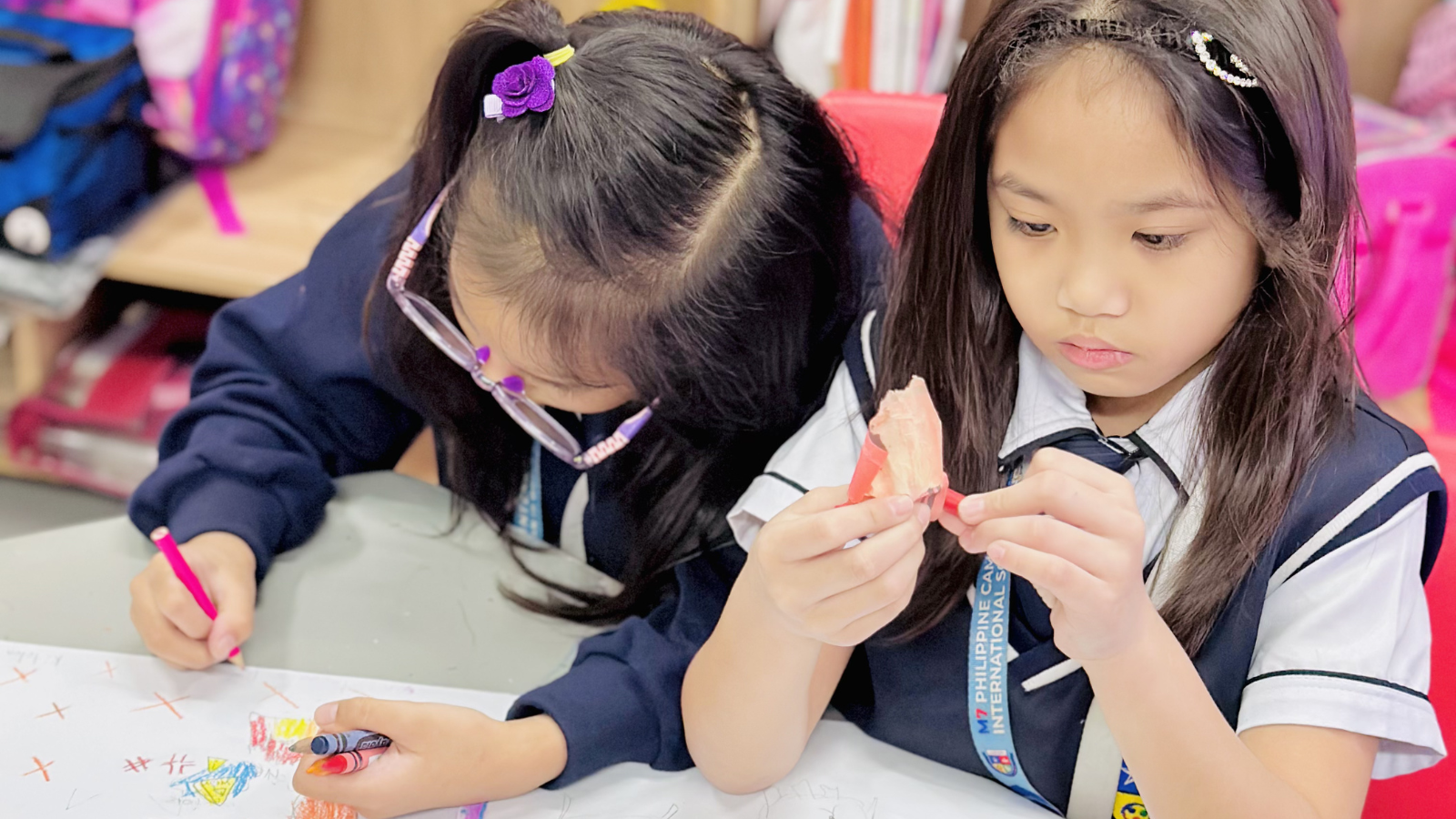
Students do not just listen—they participate.
They ask questions, explore ideas, and collaborate with peers.
Teachers guide learning, helping students build understanding, confidence, and independence over time.
How This Comes to Life at PCIS
This is the kind of environment many parents look for and what we continuously build at Philippine Cambridge International School.
As an IB World School offering the Diploma Programme, and progressing toward the Primary Years Programme (PYP) and Middle Years Programme (MYP), PCIS provides an inquiry-based approach where students:
- Think critically
- Collaborate meaningfully
- Develop confidence in expressing ideas
- Build a global perspective
Our classrooms, educators, and community work together to support each learner’s academic, social, and personal growth.
What This Means for Your Child
The school you choose today shapes your child’s tomorrow.
It influences:
- Their confidence
- Their ability to communicate
- Their willingness to take on challenges
- Their overall growth as a learner and individual
The right environment does not just prepare students for exams.
It prepares them for life.
Experience It for Yourself
The best way to understand a school is to experience it.
Schedule a campus tour and see firsthand how your child could learn, grow, and thrive in the right environment.
Frequently Asked Questions
Why is a campus tour important?
It allows parents to experience the school’s environment, culture, and teaching approach beyond what is shown online.
Can my child join the campus tour?
Yes. It helps them feel more comfortable and connected to the environment.
What should I ask during a campus tour?
Ask about teaching methods, student support, assessment, and how learning is personalized.
How do I book a campus tour at PCIS?
You may contact the Admissions Office or visit the official website to schedule your visit.