What Is an IB World School and Its Benefits for Your Child
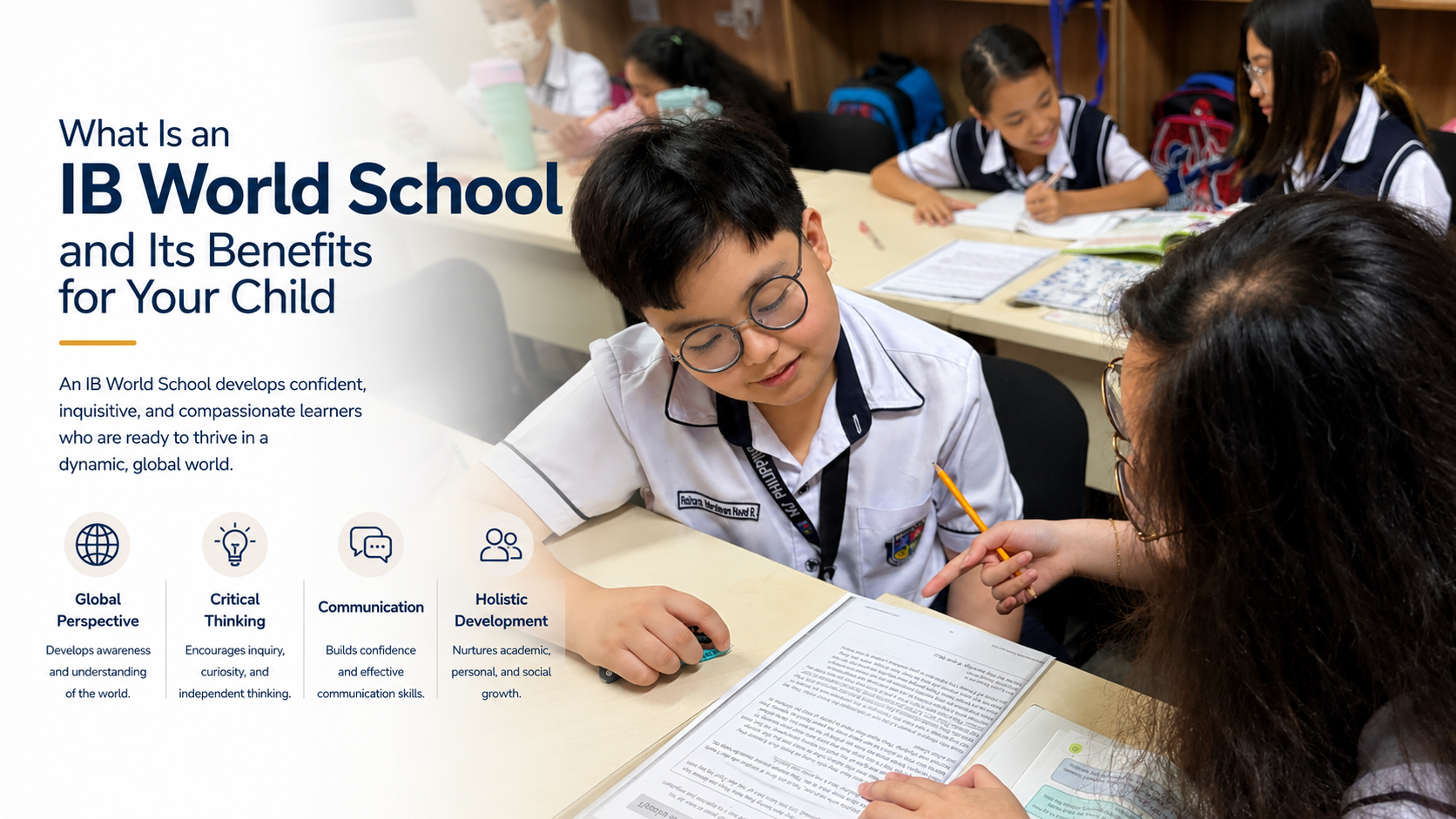
As a parent, you want more than just good grades for your child. You want them to be confident, able to express their ideas, and ready to handle whatever the future brings.
Yet many students who perform well in exams still struggle to communicate, adapt, or think independently as they grow. This is something parents often only notice later on.
An IB World School offers a different approach. It focuses not just on what students learn, but on how they think, interact, and grow over time.
 What You Need to Know at a Glance
- IB focuses on thinking, not memorization
- Builds confidence and communication skills
- Prepares students for global environments
- Encourages independent learning early
What Is an IB World School
An IB World School is an institution authorized to deliver the International Baccalaureate programmes. But more than that, it represents a different way of learning.
Instead of simply remembering information, students are encouraged to ask questions, explore ideas, and connect lessons to real situations. This is where many traditional systems fall short.
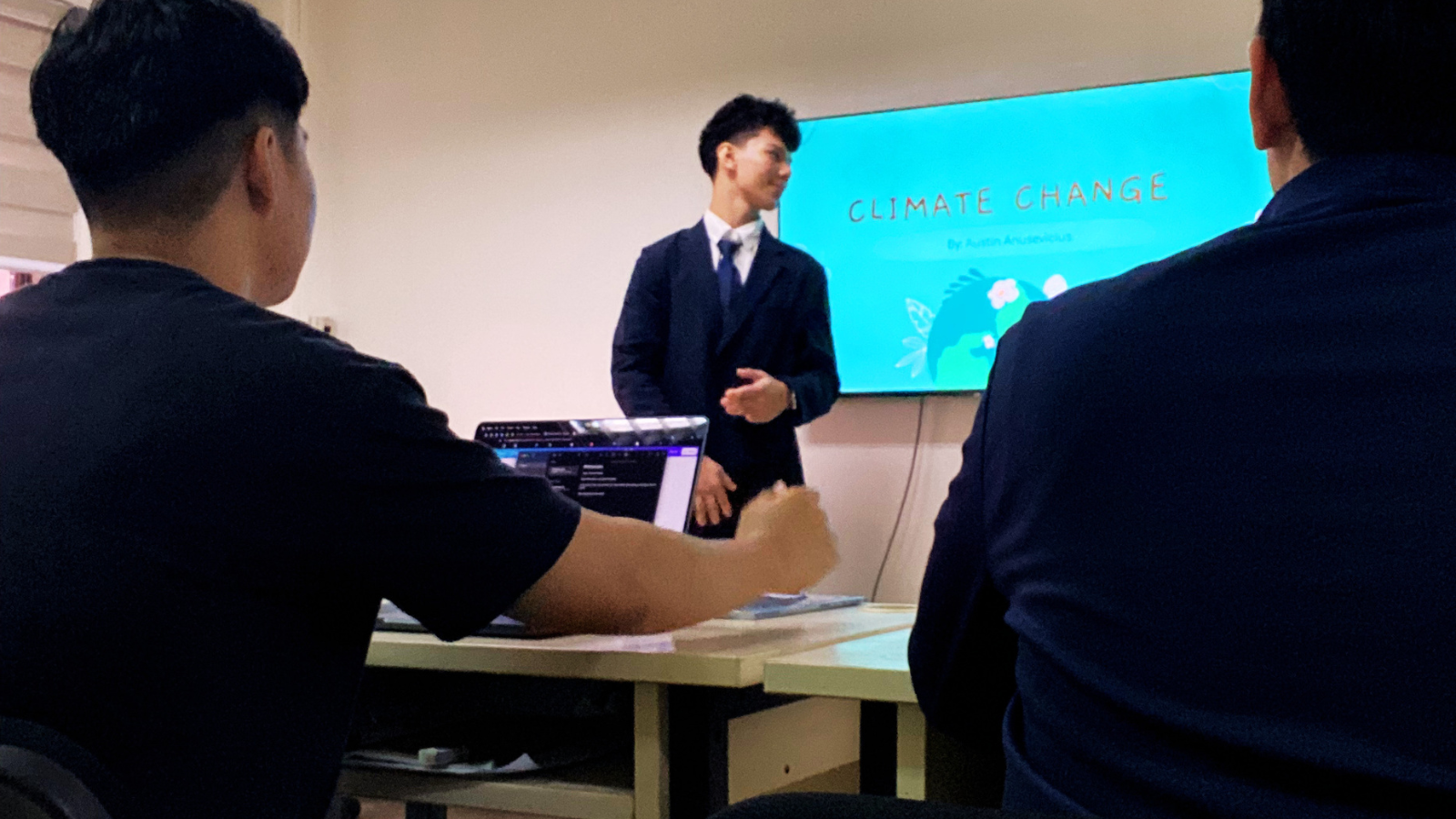
For example, rather than just reading about climate change, students might investigate real environmental issues, present their findings, and suggest solutions. Over time, this kind of learning becomes natural to them.
Key Elements of IB Education
- Inquiry-based learning that encourages curiosity
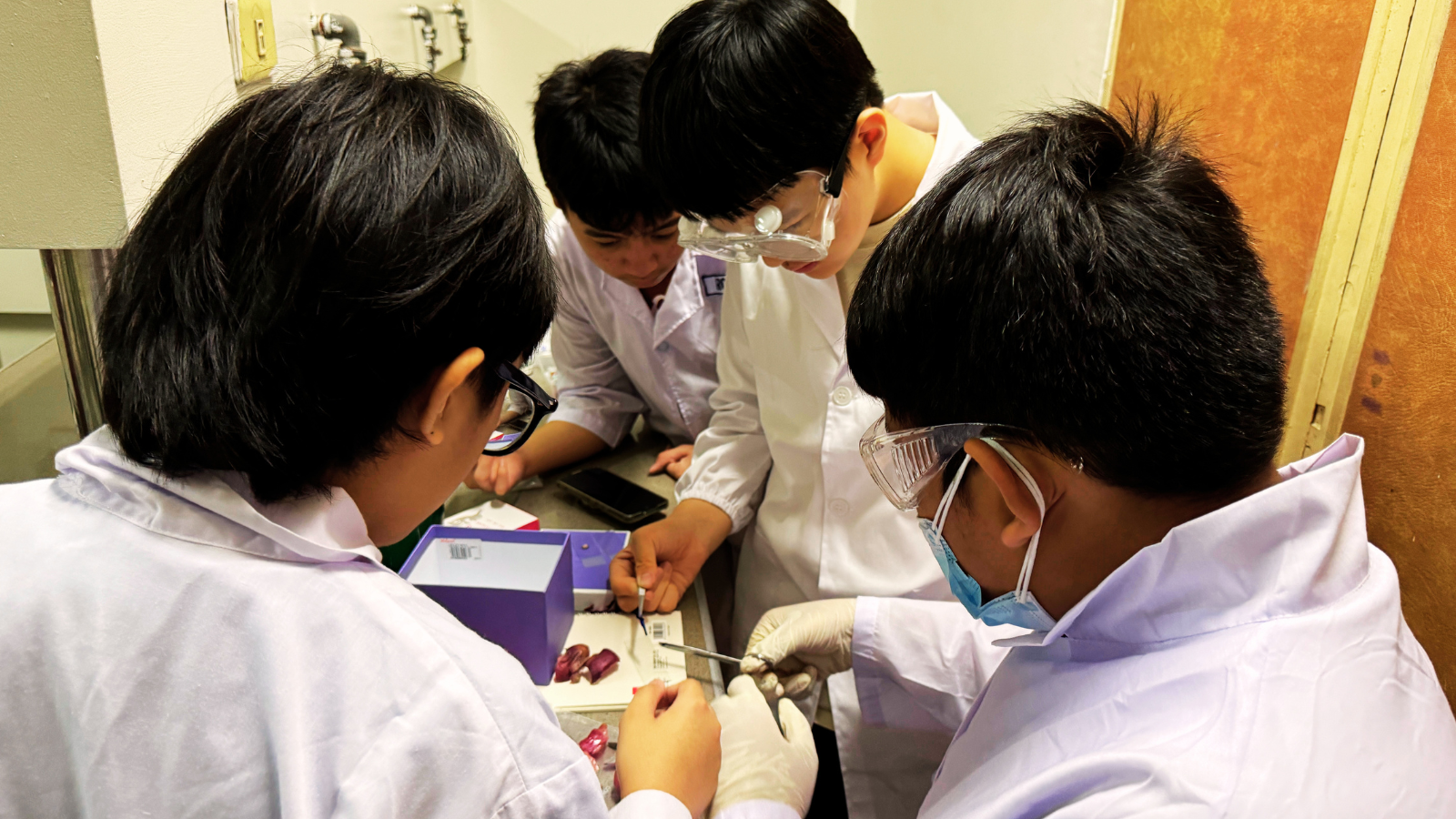
- Critical thinking and problem-solving in real contexts
- Strong communication and collaboration skills
- Global awareness and cultural understanding
IB vs Traditional Learning
Traditional School
- Memorization
- Teacher-led
- Fixed answers
IB World School
- Inquiry-based learning
- Student-centered
- Open-ended thinking
Why It Matters for Your Child
Education today is not just about knowing the right answers. It is about knowing how to think, communicate, and respond in real situations.
And this is what most parents do not immediately see. The real impact shows up over time.
You might notice your child becoming more confident when sharing ideas. At first, it may feel uncomfortable for them to speak in front of others. But as they practice, that hesitation slowly turns into confidence.
Long-Term Impact
Over time, these small changes become part of who they are. Students become more independent, more open-minded, and more prepared to handle unfamiliar situations.
Without this kind of exposure early on, many students find it harder to adjust later in university or global settings.
Parents who choose this kind of education often value long-term growth over short-term results. And that difference becomes clear as their child develops.
How It Looks in a Real Learning Environment
In an IB classroom, learning feels different right away. Students are not just listening, they are actively involved.
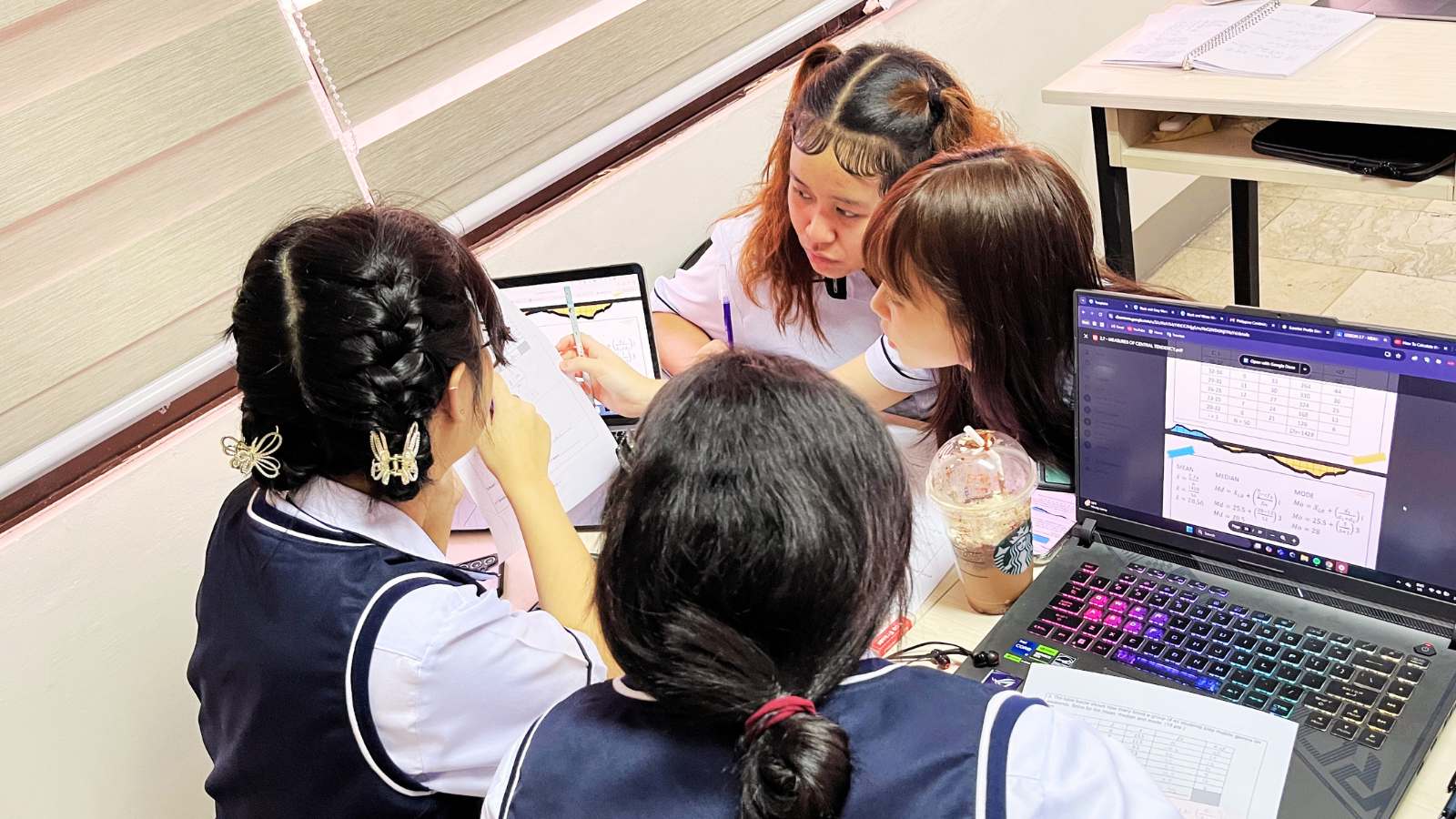
You will see them working in groups, discussing ideas, and connecting lessons to real-life situations. It is not always easy at first, but that is part of the process.
Gradually, students gain the confidence to share their thoughts, ask meaningful questions, and explore ideas on their own.
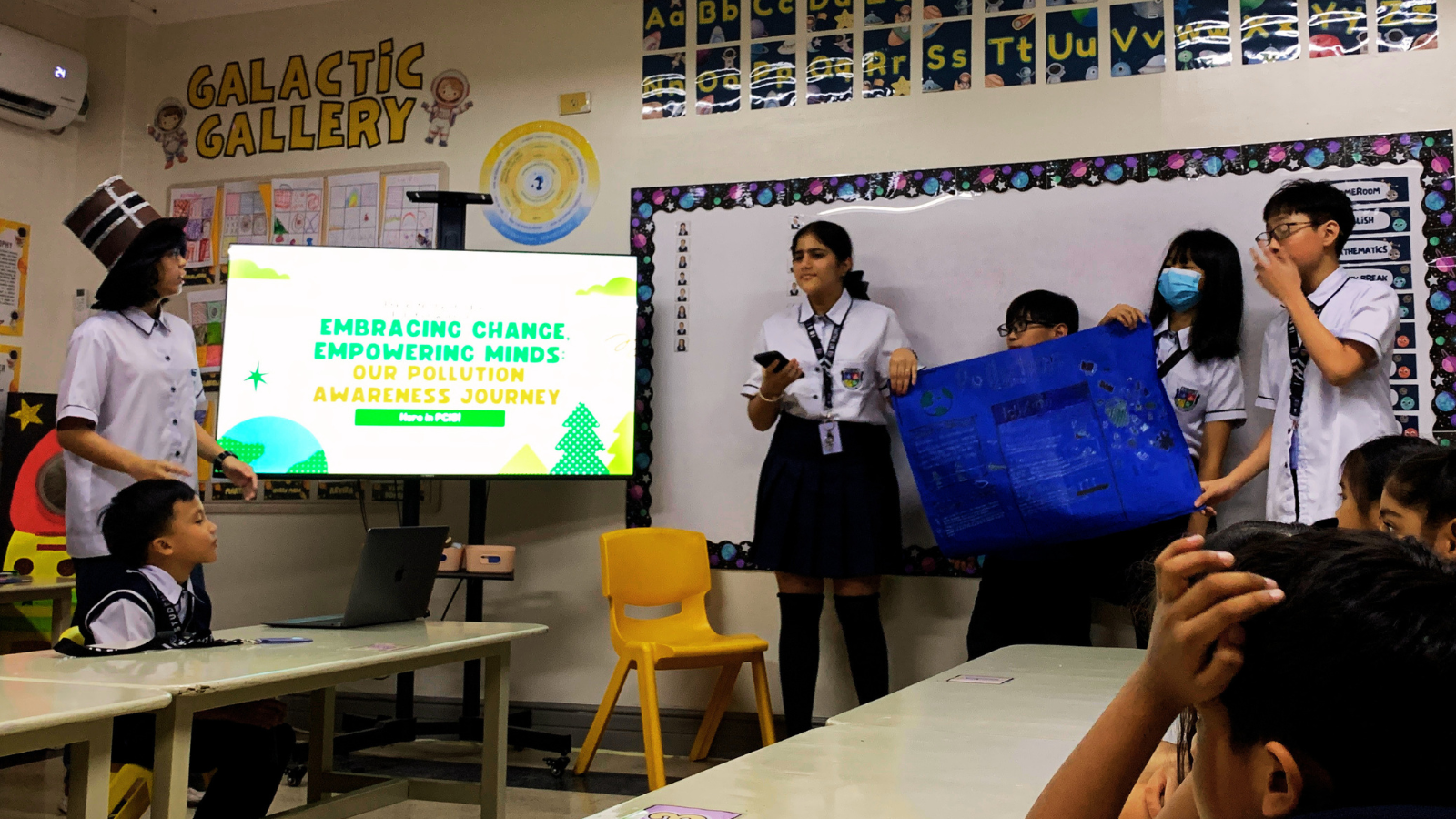
Classroom or Student Experience
A typical experience includes inquiry-driven projects, peer discussions, and reflection. Students are encouraged to express their ideas clearly and listen to others with respect.
This kind of environment supports not only academic growth but also confidence and social awareness.
How Philippine Cambridge International School Applies This
At Philippine Cambridge International School, this approach is applied consistently across different stages of learning.
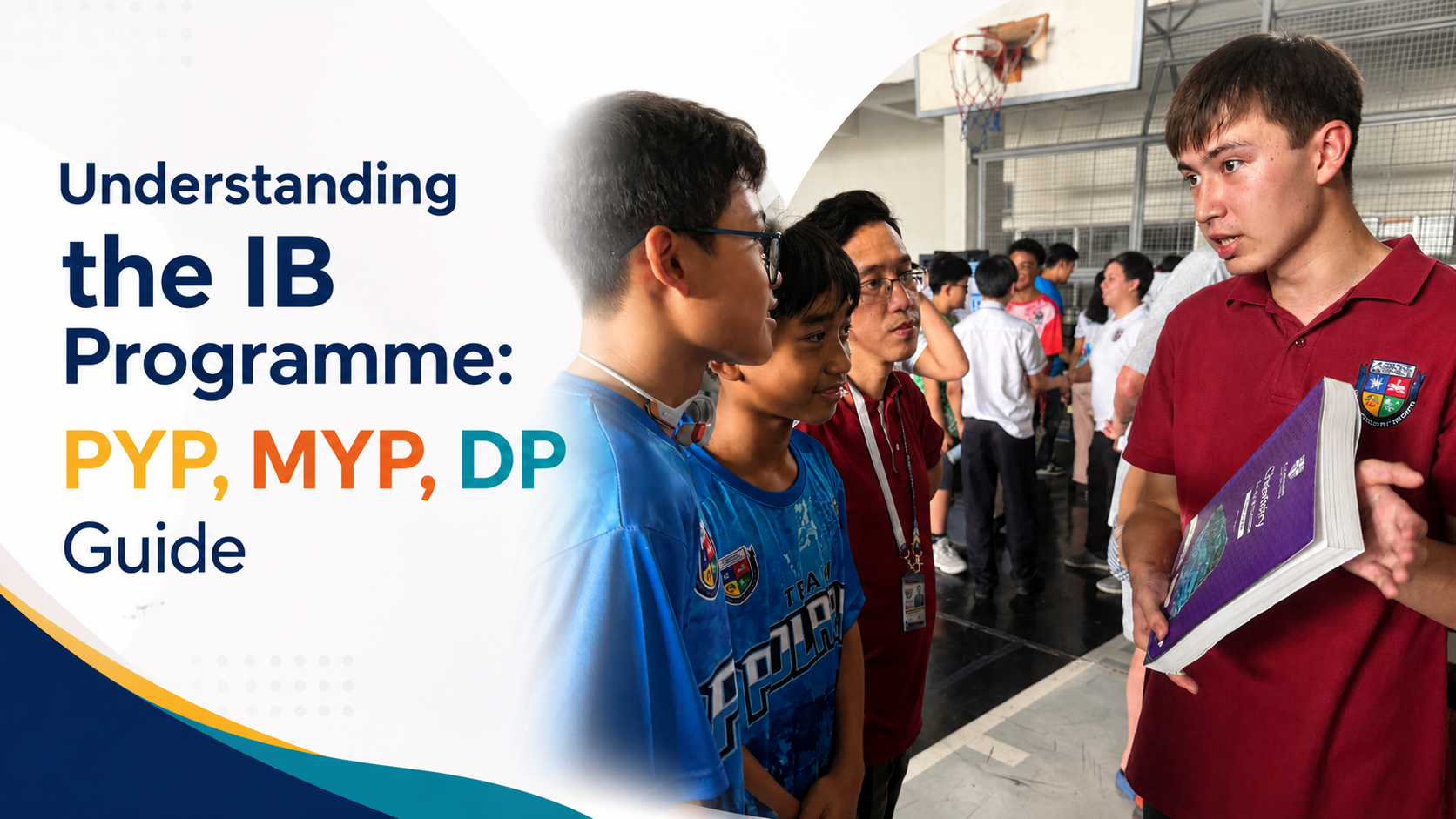
Students are guided by IB-trained educators across PYP, MYP, and DP, ensuring that skills are developed in a structured and progressive way.
The school also fosters a multicultural environment where students are exposed to different perspectives. This helps them become more confident, adaptable, and open-minded.
In real terms, this means students are not just preparing for exams. They are preparing for real-world opportunities, both locally and internationally.
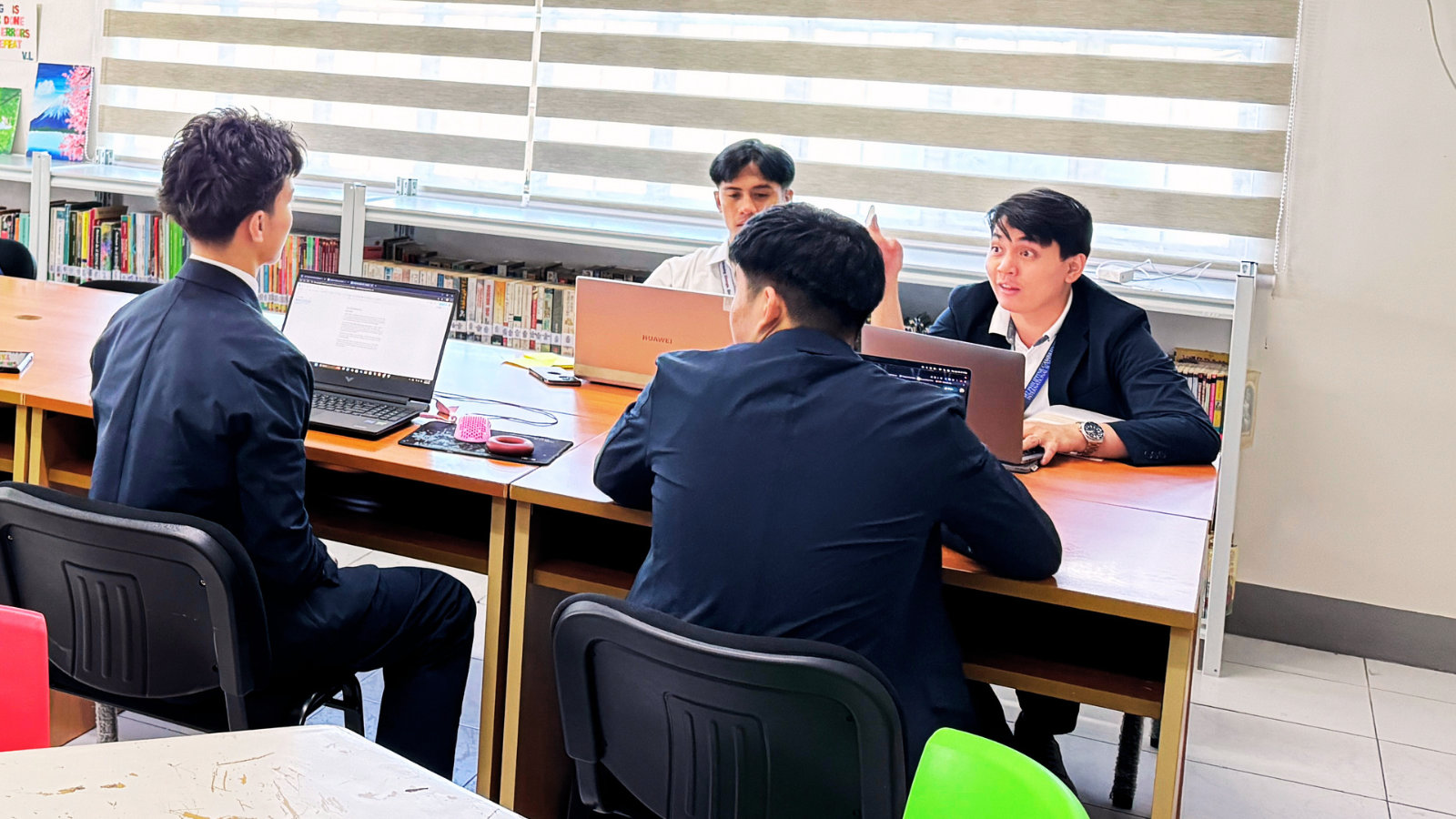
What This Means for Your Child’s Future
When you look at education this way, the question shifts. It is no longer just about where your child studies, but how they are growing.
Over time, the ability to think independently, communicate clearly, and adapt to new environments becomes a strong advantage.
And this is something you will not always measure in grades, but you will definitely see in how your child carries themselves.
Explore the Right Learning Environment for Your Child
Experience the kind of environment where confidence, curiosity, and independent thinking are developed every day. Visit PCIS campus in Imus, Cavite and experience a classroom where students are encouraged to think, express, and grow with confidence.
Common Questions About IB World Schools
What age can my child start IB?
Students can begin as early as the Primary Years Programme, typically during their early school years.
Is IB better than traditional education?
It offers a different approach that focuses more on thinking, communication, and real-world application.
Can IB students study abroad easily?
Yes, IB is widely recognized, making it easier for students to transition into international universities.