Beyond the Classroom: When Students Become Teachers
What students discover about teaching, patience, and understanding learners when they step into the role of a teacher.
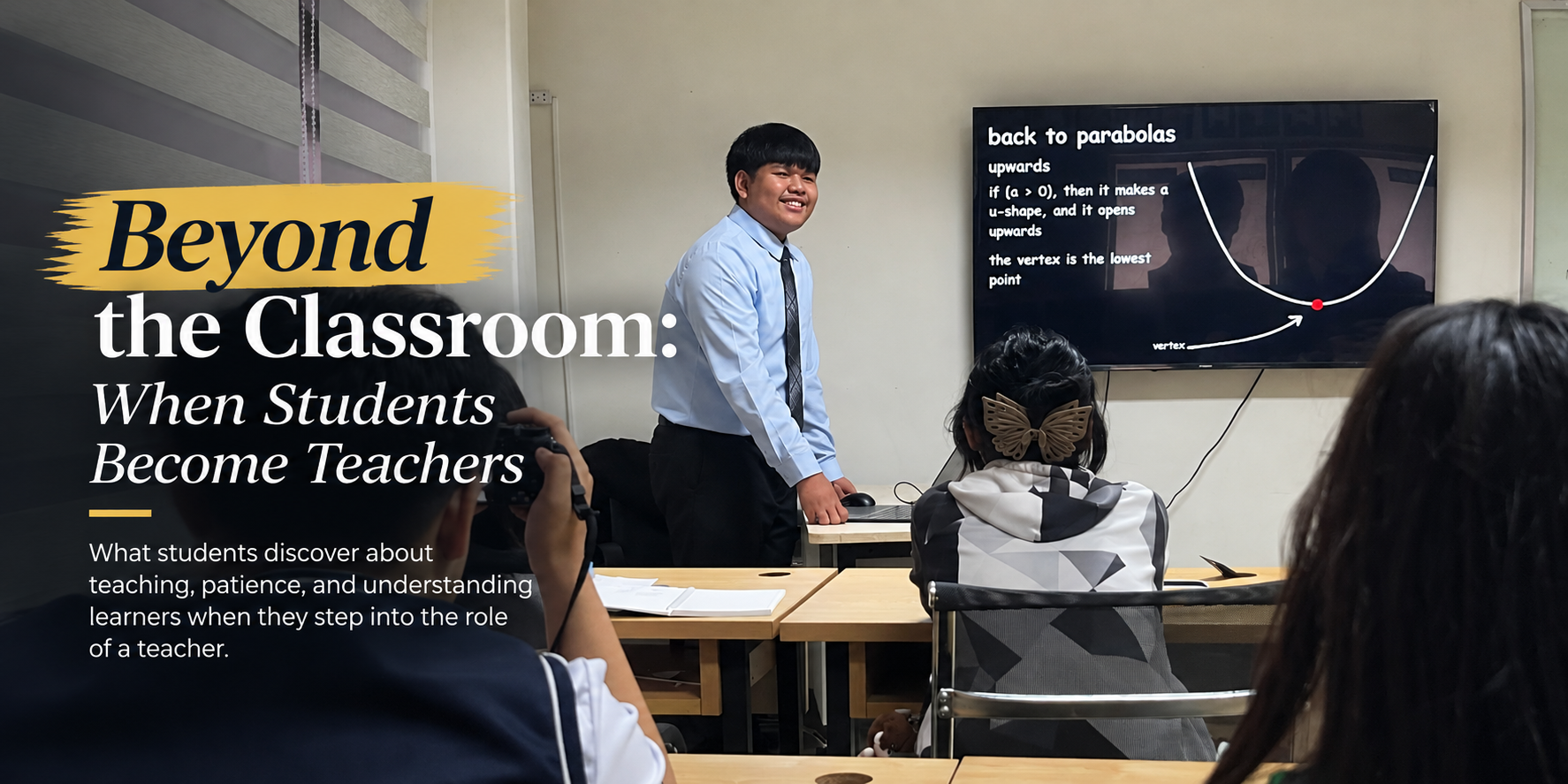
Teaching can look simple from a student's seat. A teacher explains a lesson, answers questions, and guides the class through an activity. But when students take on that responsibility themselves, the work behind each lesson begins to look different.
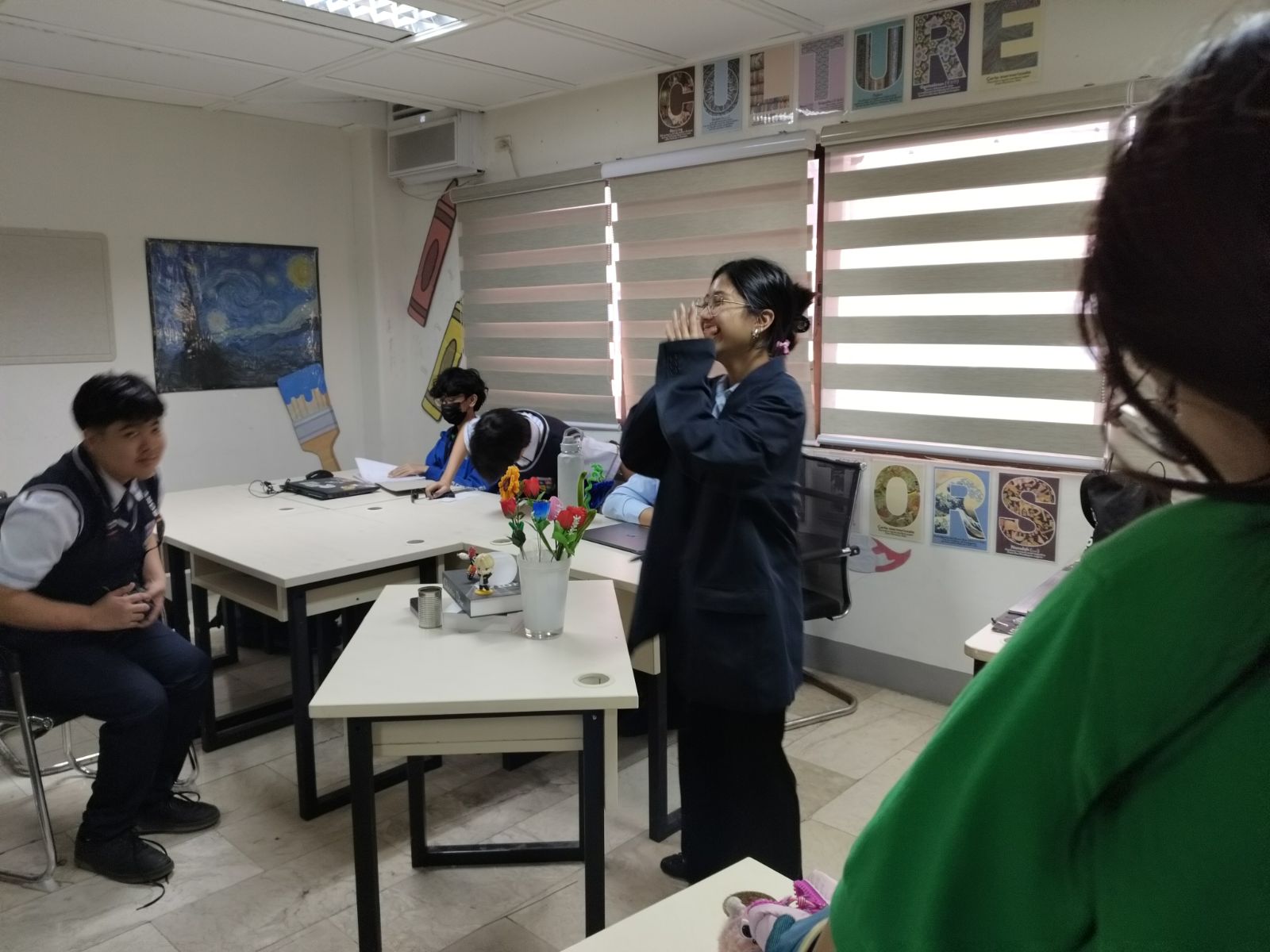
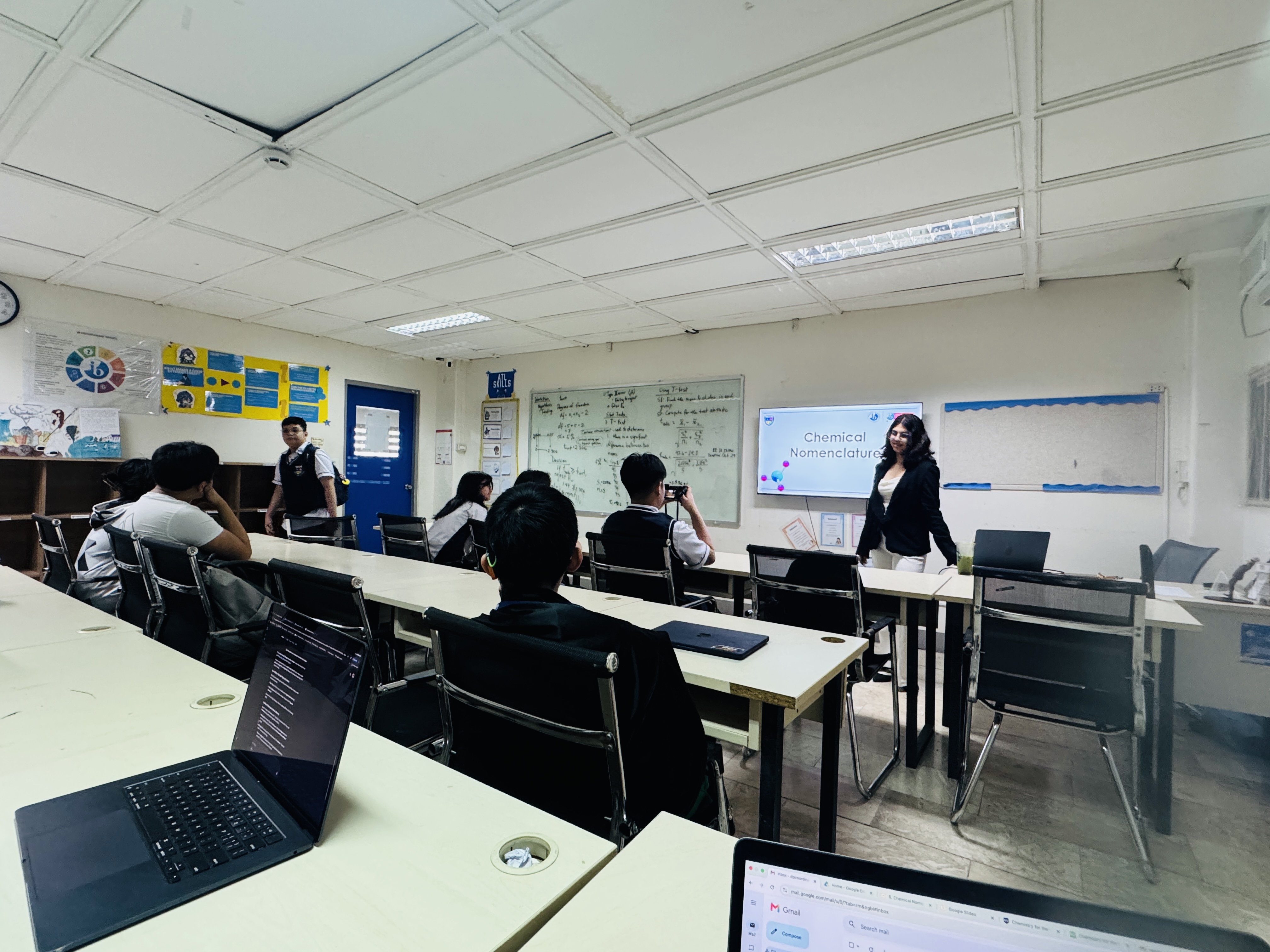
For Amara Delos Santos, an MYP 5 learner at Philippine Cambridge International School, being a teacher for a day brought her attention to something she had not fully appreciated before: the need to respond to each learner differently.
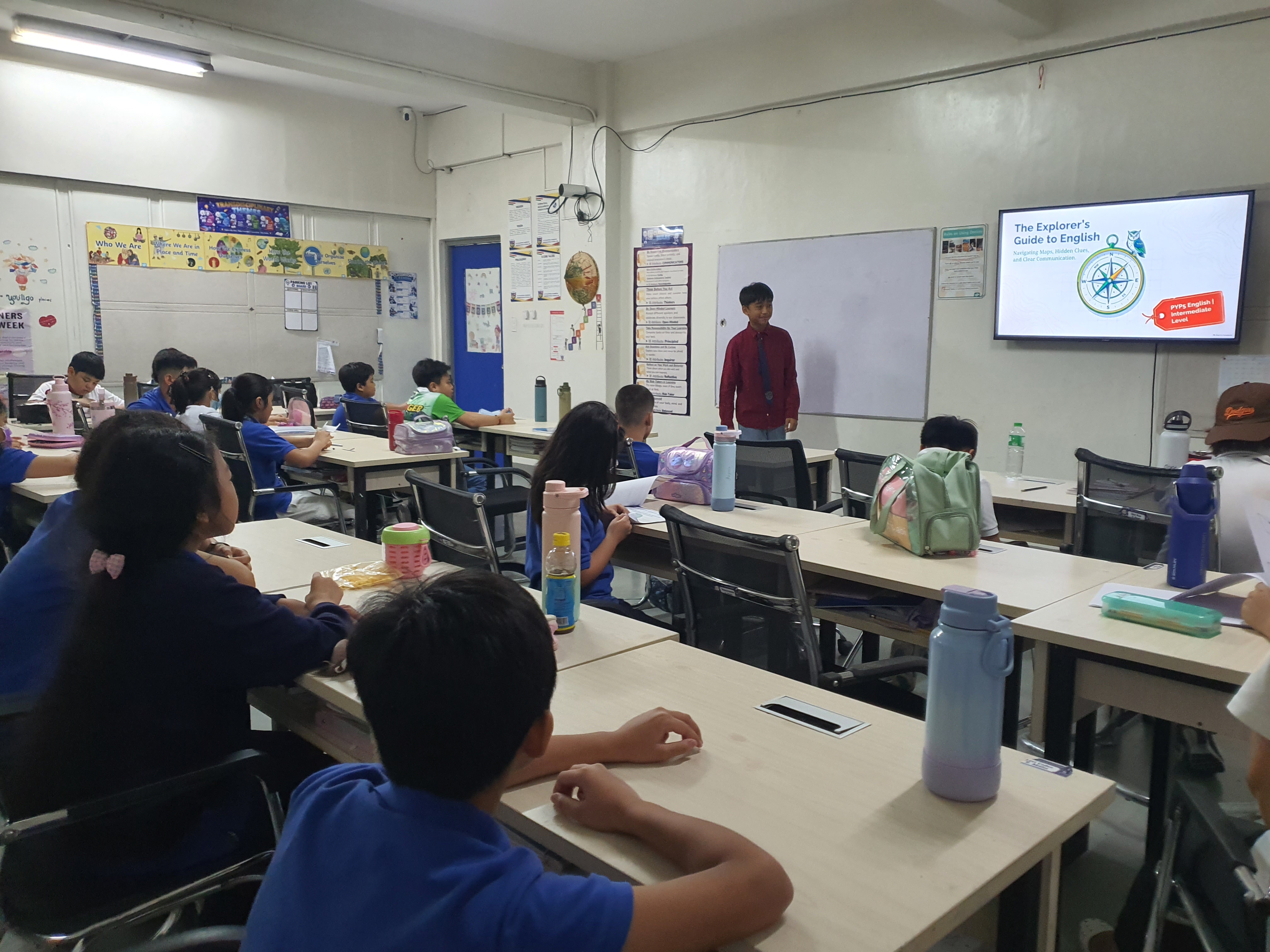
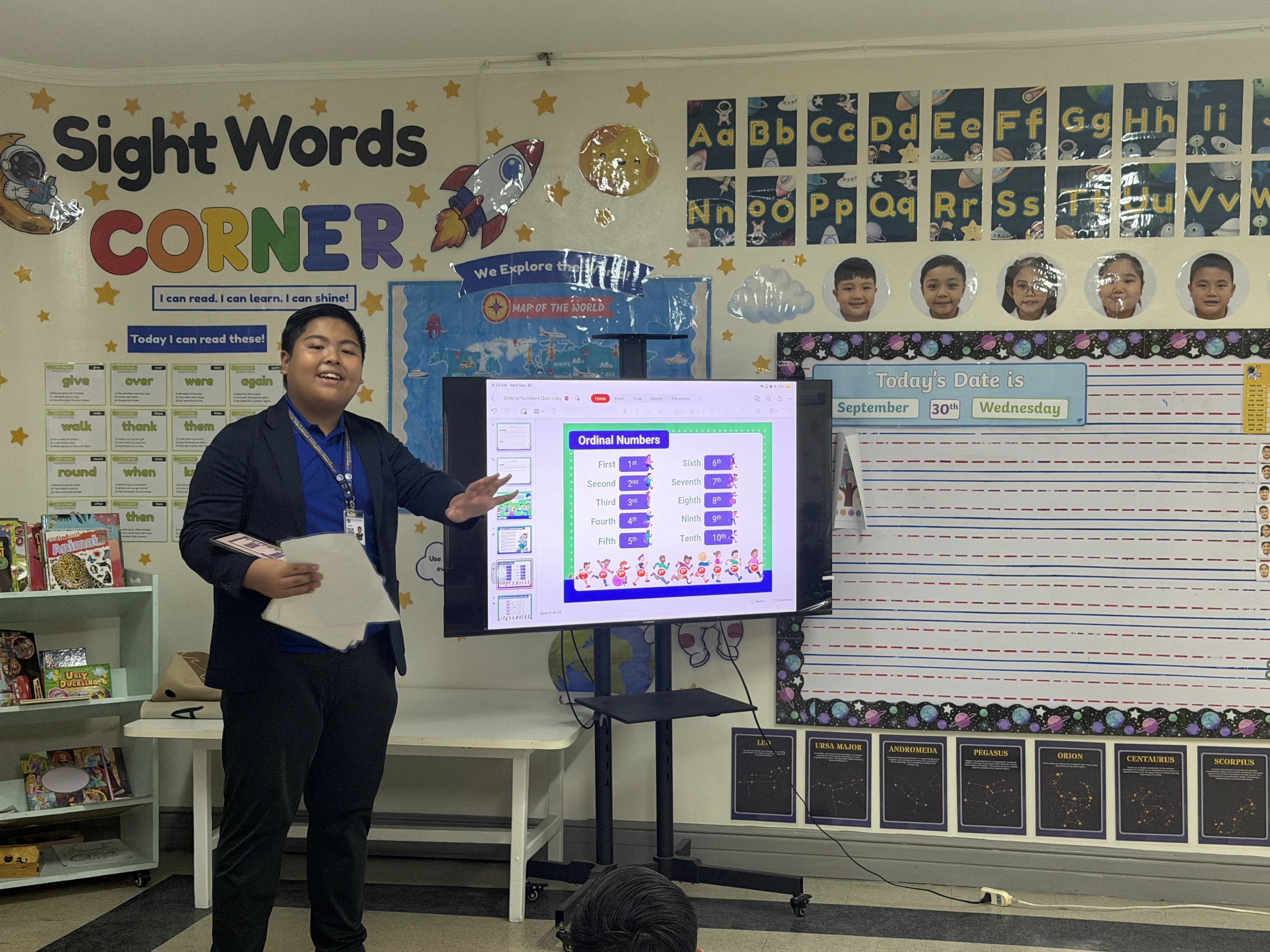 For Gab Dela Cruz, an MYP 3 learner, the experience was a more immediate encounter with the difficulty of teaching. Preparing slides, keeping students attentive, and finding ways to connect with them proved harder than he had expected.
Their experiences were different, but both came away with a deeper appreciation of the people who guide their learning every day.
When Students Start Asking Questions
For Amara, the most memorable part of the experience was not simply delivering a lesson. It was seeing students engage with what she was teaching.
“The most memorable part was being asked questions by the students. It shows me they are interested and willing to learn, which makes me feel like I did my job well.”
Their questions gave her a way to see whether the lesson was reaching them. Being asked questions became a meaningful part of the experience because it showed her that students were willing to participate and understand.
But encouraging that engagement was only one part of the responsibility.
 Every Learner Needs Something Different
Amara's experience also revealed how much teaching requires adjustment.
“Every question, every confusion, everything they find difficulty doing requires me to adapt. To make sure each student can learn while making it possible with their needs.”
The challenge was not simply to explain something clearly. It was to recognize when a student needed a different explanation, more support, or another way to approach a task.
For Amara, this meant considering the needs of individual learners while trying to make learning possible for everyone.
Her reflection points to a part of teaching that can be easy to overlook from the classroom: a lesson may be prepared for an entire class, but learning happens one student at a time.
 When Teaching Is Harder Than It Looks
Gab's experience began with a different realization.
“The most memorable part about being a teacher for a day, was how ‘difficult’ it was.”
He recalled the difficulty of preparing slides and getting students' attention. Tasks that might appear routine when viewed from a student's perspective became more demanding when he had to take responsibility for them.
He described the experience as a “slap in the face” that brought him back to reality, making him recognize that life is difficult.
Yet his discovery went beyond the workload.
“I didn't know how teachers always captured our attention, but I think it was how they knew so much about us and used it to connect all of us.”
For Gab, understanding students was central to effective teaching. It was not enough to know the subject or prepare the lesson. Teachers also needed to understand the people in front of them and find ways to connect with them.
It was a level of understanding he hoped to develop himself.
 Seeing Teachers Differently
When asked what they appreciated more after the experience, both students turned their attention to the effort teachers put into their work.
Amara recognized the time and energy her teachers devoted to their students, including their effort to give their best regardless of the circumstances.
Gab reflected on the patience teachers extend not just to one learner, but to every student they encounter.
“I really appreciate their sacrifices, and I will always be grateful.”
Their reflections reveal a shift in perspective. Teaching is no longer viewed only from the receiving end of a lesson. They had experienced some of the preparation, attention, and responsibility that come with guiding others.
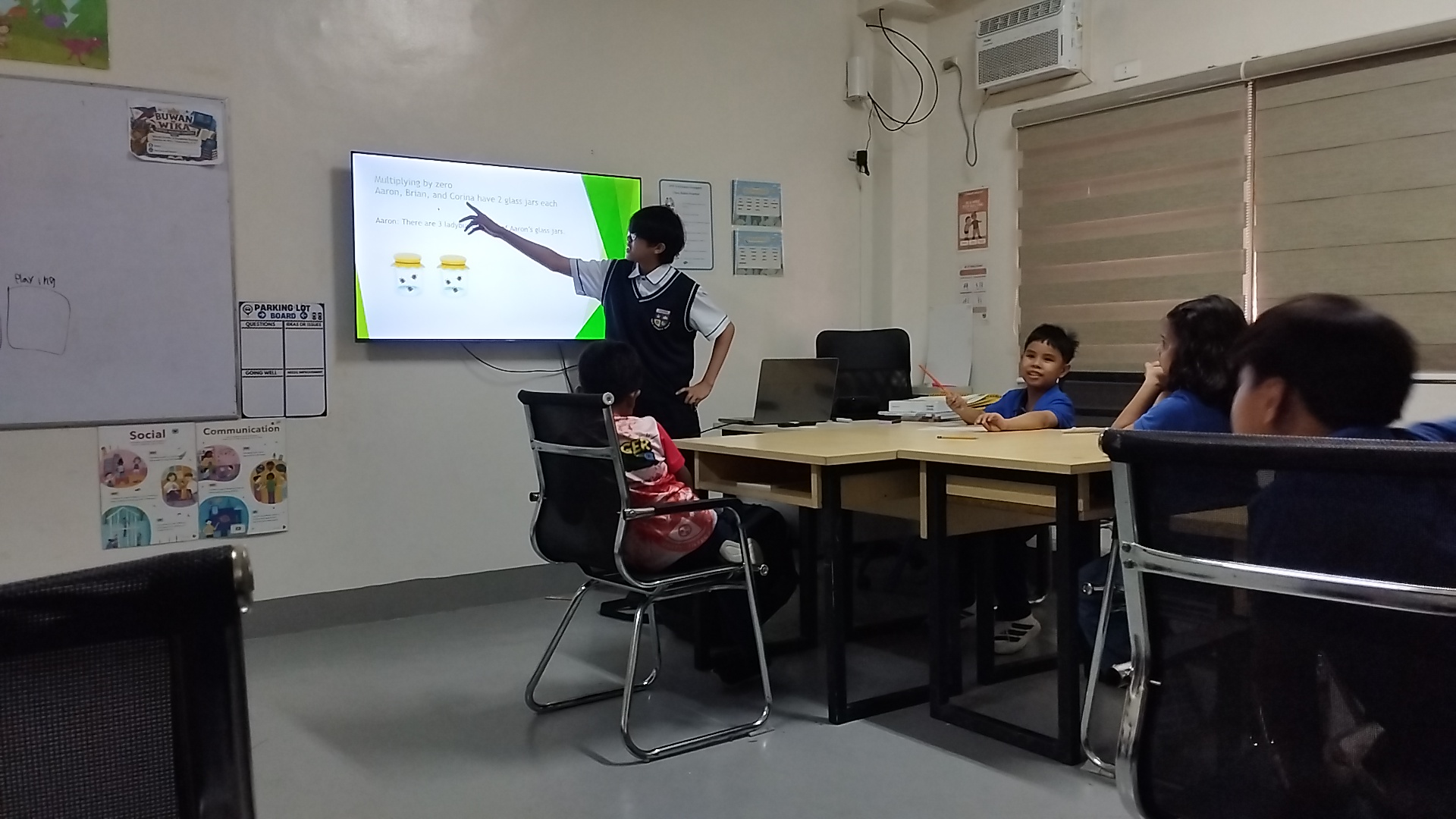 For Amara, the experience highlighted the need to adapt to different learners. For Gab, it revealed the difficulty of earning students' attention and building connections with them.
Neither experience gave them a complete understanding of what it means to be a teacher. But both offered a closer view of the work behind the role.
Sometimes, understanding what another person does begins with trying to do it yourself.
And for these PCIS learners, stepping into the role of a teacher gave them a new perspective on the people who help them learn.
PCIS Stories
A human-centered storytelling series by Philippine Cambridge International School, exploring learning, student experiences, culture, and life in an IB World School in Cavite.